
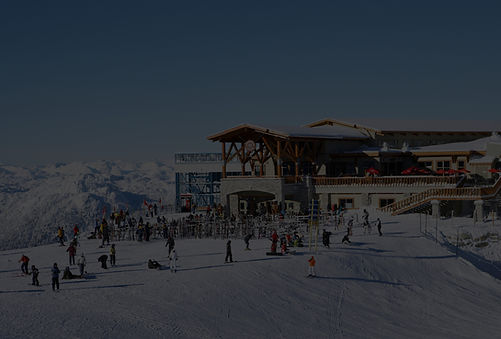
The Slope Has Shifted
Inside the New Era of Resort Strategy
Post-COVID ski industry trends, visitation insights, and year-round resort strategies
31 JUL
Blog
6 min read
Global ski visitation in 2023/24 reached 366 million, surpassing pre-COVID levels and marking one of the strongest seasons on record (1)
When international travel ground to a halt during COVID, mountain resorts worldwide were forced to shift gears. Without overseas tourists and with changing domestic behaviours, operators had to rethink what their offering looked like, who it served, and how to keep the business moving, even when lifts stopped turning. Many made fast decisions out of necessity, some stuck, some didn’t, but out of that disruption came new habits, new customer types and new expectations.
The post COVID era hasn’t just been about recovery, it’s been about reimagination. From sightseers who don’t ski to remote work visitors, the way snow tourism destinations operate and earn revenue has evolved. Here are Five ways the industry is adapting, and what operators should be thinking about next.
1. A New Type of Guest: Turning Sightseers into Value-Adding Visitors
UK travellers spend just two hours per day on the slopes, with over 50% booking ski holidays despite not skiing themselves, preferring spa-days, walks, quality family time, and dining (2)
A new visitor type has emerged at ski destinations: people who don’t come to ski, but to experience the snow. They’re here for the scenery, the fresh air, the café views, or to watch friends and family hit the slopes. These guests don’t buy lift passes, but they still take up parking, use facilities, and occupy space in cafés and base areas.
Without a lift ticket or rental hire, these guests aren’t generating revenue the way traditional skiers do. But they’re still part of the resort’s daily operational load. Handled passively, they put pressure on infrastructure. Handled proactively, they’re a growth opportunity hiding in plain sight.
Opportunity: Create experiences for non-skiing visitors
More resorts are starting to cater to these casual visitors by offering non-ski products designed specifically for them. Think:
-
Scenic lift rides with timed entry
-
Snow-play areas or tubing hills with basic equipment hire
-
Winter walking trails or guided snow tours
-
F&B offers bundled with panoramic seating or scheduled events
-
Professional photo spots at scenic points with fast digital delivery
These experiences don’t require ski gear or training, and can be promoted as a gentler, more accessible way to “experience the snow” without committing to skiing or snowboarding.
This kind of offering turns an unmonetised visitor into a paying guest, reduces pressure on premium assets like lift lines and terrain, and improves perceived value for guests across the board.
2. Beyond the Snow: Year-Round Potential
68% of North American ski resorts offer scenic chairlift rides and about 52% have lift-served mountain biking during summer (3)
Winter is no longer the only season that draws visitors to alpine destinations. As snow seasons become shorter and more unpredictable, resorts are investing in year-round appeal. Hiking, mountain biking, wellness retreats, scenic lift rides, food and wine festivals, and family-friendly summer activities are helping ski areas evolve into full-fledged mountain destinations.
Relying solely on winter revenue is increasingly risky. Off-season tourism provides a more stable income stream, keeps staff employed longer, and makes better use of high-value infrastructure like lifts, lodges, and car parks. Plus, it attracts a broader guest base, families, fitness seekers, and nature lovers who may never visit during ski season.
Opportunity: Turn the Mountain into a Year-Round Destination
Forward-thinking resorts are actively transforming into all-season attractions. Popular offerings include:
-
Lift-accessed mountain biking and hiking trails
-
Alpine yoga, wellness retreats, and outdoor spas
-
On-mountain dining events, wine tastings, and live music
-
Kids’ adventure zones and nature-based education programs
-
Scenic lift rides, stargazing nights, and photography tours
With thoughtful programming and the right marketing, ski resorts can build entirely new revenue streams that aren't weather dependent, and keep their brand top-of-mind all year long.

Mt Stirling summit. Source www.visitvictoria.com
3. Digital Slopes: How Tech is Reshaping Ski Resorts
Sunlight Mountain Resort online sales of lift tickets, jumped from around 30% in pre-pandemic years to 80% in the 2020–21 season (4)
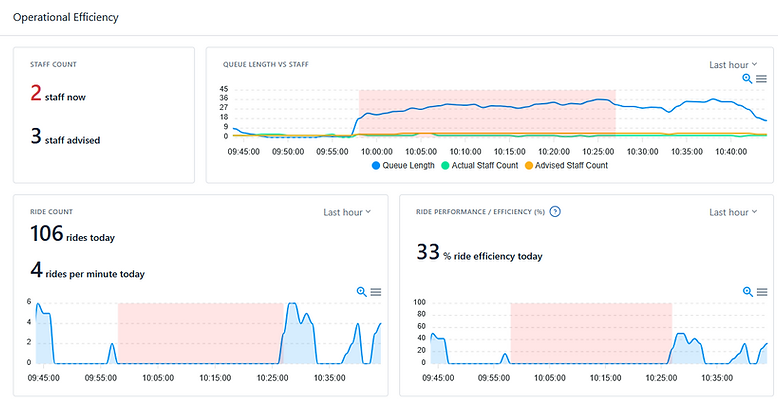
Since COVID, resorts have accelerated their adoption of digital tools to meet shifting guest expectations and operational challenges. From mobile ticketing and real-time wait time updates to automated guest counting and predictive analytics, tech has become essential to the modern ski resort and mountain experience. As guests return more tech-savvy than ever, resorts are upgrading everything from base area signage to backend operations.
Today’s guests expect the same digital convenience they get everywhere else, like real-time updates, frictionless bookings and personalised offers. Resorts that rely on static schedules, manual guest counting, or anecdotal crowd management are now struggling to keep pace. Meanwhile, operators are under pressure to optimise throughput, reduce downtime and make smarter decisions on the fly.
Opportunity: Use operational Data to Drive Smarter Decisions
Tech-savvy resorts are gaining an edge by using tools that improve both guest experience and operational control. This includes:
-
Real-time crowd visibility to optimise lift ops and reduce bottlenecks
-
Smarter rostering based on live guest volume, not guesswork
-
Data-led insights to inform pricing, layout, and off-peak programming
-
Digital tools to monitor queue behaviour, track guest flow and improve efficiency over time
Adopting tech doesn’t just modernise the experience, it directly contributes to revenue, guest satisfaction and resilience.
Source: Nola Live Demo
4. Surge in Domestic and New Visitors
Countries like Russia and Romania reported their best-ever ski seasons during 2020–21, driven entirely by domestic travellers at a time when international arrivals vanished (5)
With international borders closed for extended periods during the pandemic, domestic travellers became the backbone of the ski industry. Mountain resorts in Australia and New Zealand quickly saw a shift in their guest mix, from seasoned international skiers to first-timers, families, and locals looking for a regional winter getaway. Many of these visitors had never skied before or hadn’t visited a ski resort in years.
Beginners require more instruction, support, and dedicated terrain. This placed new demands on ski schools, rental operations, and guest education. Everything from signage to staffing needed rapid adaptation to meet these expectations and create a smooth entry into snow sports.
Opportunity: Build Loyalty with Local and Entry-Level Guests
These new skiers represent a high-potential customer base. By investing in first-timer experiences, like well-signed learning zones, beginner bundles, and progression programs, resorts can turn one-off visits into loyal, lifelong guests.
5. Midweek Visitation Boosted by Remote Work
Midweek visits in U.S. resorts saw weekday skier visits made up 48% of total visits in 2020–21, up 27% from the previous season, as remote work and school flexibility freed up weekdays for snow trips (6)
The rise of remote and hybrid work has given more people the flexibility to visit the snow during the week, not just on weekends. With laptops in hand, guests can now squeeze in a few runs before logging on or build a longer trip around a working holiday.
This shift is smoothing out traditional weekend demand spikes and creating more consistent visitation patterns across the week. But it also means operators need to rethink how they deliver service midweek: from staffing lift ops and instructors to opening retail and F&B venues that used to go quiet until Friday.
Opportunity: Target Off-Peak Days with Packages and Programming
Midweek visitors aren’t just easing weekend pressure, they’re opening the door to smarter, more balanced operations. Resorts that tailor their midweek offerings can turn traditionally quiet days into valuable revenue streams. Some ideas include:
-
Discounted lift passes to incentivise weekday skiing
-
Food and coffee bundles targeting the work-and-ski crowd
-
Workspace-friendly lodges or Wi-Fi lounges for remote workers
-
Flexible childcare options to support midweek families
-
Early lift openings or extended hours to suit varied schedules
-
Ski-and-stay packages that bundle accommodation and passes
-
Midweek-only perks like guided tours, events or locals' discounts
By meeting this group where they are, both professionally and recreationally, ski resorts can build loyalty, reduce weekend bottlenecks, and keep ski area operations running smooth throughout the week.

Source: www.ugosnow.com/
Final Thoughts
Today’s alpine resorts and ski destinations need to be adaptive, diversified, and digitally savvy to thrive in this new landscape. Emerging visitor types, like sightseers, remote-work day trippers, and beginner skiers, are reshaping what it means to serve a mountain community. Resorts that paused development during COVID now face the challenge of catching up to meet rising expectations.
Diversifying revenue beyond traditional ski lift sales has become essential for year round ski mountain operations, whether slopes are spinning or temporarily halted. From tailored midweek offers to non-ski experiences, resorts that innovate will build resilience and lasting guest loyalty.
If you’re a snow operator navigating these trends, or trialing new ideas, we’d love to hear what’s working for you!
Thanks for reading! Brought you by Nola - we help ski resorts optimise ski lift operations.
Keen to know more? Check out our Learn page for more articles, or, reach out directly for a chat.
(1) https://snowstash.com/news/2025/04/global-ski-industry-post-pandemic-recovery
(2) https://www.scottdunn.com/sg/inspiration/travel-trends/reports/2025/spring
(3) https://www.saminfo.com/archives/2020-2029/2025/january-2025/the-state-of-summer-operations
(5) https://www.simagazin.com/en/si-alpin/topics/management-tourism/latest-study-to-global-ski-market/