
Nola Learn
Gaël Ottmann on Why Great Attractions are Built on Emotion, Not Just Innovation

Gaël Ottmann
CEO – Ottmann Entertainment (Paris, France)
Leisure and entertainment consulting firm specialising in theme parks, FECs, and live entertainment.
6 min read | 19th August | John Kouimtzis
“A great attraction isn't just about the ride or the show, it's the sum of the many moments that create a memorable journey"
Fast Pass
Jump straight to the question that interests you most
Every attraction wants to leave guests with memories that last long after they've walked out the gate. But what actually creates those moments?
To answer that question, I spoke with Gaël Ottmann. Having worked across attraction operations, destination development, consulting and education, he offers a perspective shaped by almost every stage of the guest journey. Gaël talks about how technology and operational excellence can work together to elevate the guest experience, why the smallest details often have the biggest impact, and what the future of the attractions industry could look like.
01
More Than a Ride, it's a Complete Journey
You've worked across everything from indoor parks and live entertainment to destination strategy and feasibility studies. Has seeing the industry from so many different perspectives changed what you believe makes a great attraction successful?
I've come to see visitor needs through a much broader lens. Whether it's an indoor attraction, an outdoor destination, a temporary event or a permanent park, the principle is the same. A great attraction isn't just about the ride or the show, it's the sum of the many moments that create a memorable journey.
To me, that journey starts well before the main experience. It begins with the arrival, where guests start disconnecting from everyday life and feel welcomed into a different world. From there, every element contributes to the experience, from the attractions and entertainment to the food, atmosphere and themed environment. Just as importantly, the journey shouldn't end when guests leave. The post-show experience is what turns a first-time visitor into someone who wants to come back.
One of the best examples of this is licensed attractions like Stranger Things. People arrive already emotionally connected to the story and its characters. The attraction becomes the next chapter in a world they already love, and that relationship continues long after the visit through new seasons, merchandise or other entertainment experiences.
Ultimately, I believe the best attractions fulfil a genuine visitor need. Leisure is about far more than entertainment. It's about giving people a chance to disconnect from work, bills and the pressures of everyday life. Magic, surprise, emotion and joy aren't marketing terms. They're the outcome of thoughtful design that helps people forget about everything outside the gates, even if only for a few hours.
From a business perspective, that emotional connection has to be matched by value. Guests don't mind paying more if they genuinely believe the experience is worth it. The strongest attractions balance memorable guest experiences with sound business fundamentals, delivering value that keeps people coming back.

02
Bridging Vision and Reality
You recently transitioned from operating parks to advising owners and developers. What's something operators often underestimate when planning a new attraction, and what's something developers often misunderstand about day-to-day operations?
Developers and operators ultimately want the same thing: a successful attraction. The challenge is that they often approach it from very different perspectives. Operators naturally focus on capacity, staffing, maintenance and day-to-day efficiency, all of which are essential. But guests don't remember operational metrics, they remember how they felt. Every decision should begin with a simple question: What story are we telling, and what emotion do we want guests to experience? Operations should support that experience, not define it.
Developers face a different challenge. It's relatively easy to create an exciting concept on paper, but operating an attraction every day is another reality entirely. Recruitment, training, maintenance, food and beverage, guest recovery, safety and technology all become part of delivering the experience. That's why I believe operators should be involved from the very beginning of the development process, not once construction is complete.
"Great attractions are built when creativity and operations work together from day one"
Developers bring the vision, designers create the space, and operators understand how guests and teams will actually experience it. When those perspectives come together early, the result isn't just a beautiful attraction, it's one that's efficient, sustainable and commercially successful for years to come.
Today, that's the role I enjoy most. I see myself as the bridge between ambitious ideas and operational reality, helping ensure great concepts become outstanding guest experiences.

03
The Small Details Guests Never Forget
You spend a lot of time visiting parks around the world. Have you noticed any common trends among the destinations that are consistently delivering exceptional guest experiences, regardless of their size or budget?
One thing I've learned from visiting attractions around the world is that exceptional guest experiences are rarely created by the biggest budgets, they're created by the smallest details. Of course, a spectacular ride or record-breaking roller coaster might attract visitors, but that's rarely what people remember years later. What stays with them is how they were made to feel. It's the smile from a team member at the entrance, an operator noticing it's your birthday, or an employee taking the time to personally help your family find the next show instead of simply pointing in the right direction. These moments cost very little, but they create an emotional connection that guests never forget.
"Exceptional guest experiences are rarely created by the biggest budgets. They're created by the smallest details."
The same principle applies to operations. Great attractions remove friction wherever they can. Guests should always know where to go, when the next show starts and what their wait time will be. Wayfinding should feel intuitive, communication should be clear and, when something goes wrong, staff should be proactive rather than reactive. Operational excellence isn't just about efficiency. It's about making the day feel effortless.
Technology certainly plays a role, but I don't believe it should replace human interaction. Mobile apps and real-time information all improve the guest experience by making the day easier, but hospitality remains a people business. A perfectly designed app will never replace an employee who goes out of their way to make someone's day better.
At the end of the day, guests don't judge an attraction by a single ride or its budget, they judge it by the accumulation of hundreds of small moments. When every interaction is thoughtful, personal and seamless, that's when an ordinary visit becomes an unforgettable one.
04
Technology Should Support the Story
Technology is becoming increasingly embedded in attractions, from operations and guest flow to immersive experiences. Which technologies do you believe are genuinely improving the guest experience, and which do you think are currently receiving more attention than they deserve?
I think it's important to remember that "technology should never be the experience, it should enhance it”. If guests leave talking about the technology instead of the emotions they felt, we've probably missed the point.
The technologies making the biggest difference today are often the ones guests never notice. Smart ticketing, dynamic capacity management, AI-assisted operations and cashless payments all work behind the scenes to make the day smoother. They reduce waiting, simplify the guest journey and allow visitors to spend more time enjoying the attraction rather than navigating it.
The same applies to immersive technology. Video mapping, augmented reality, virtual reality and interactive media are all incredible tools, but only when they support a compelling story. Technology alone quickly becomes a novelty. Guests don't visit because an attraction uses AI or VR, they visit because they want to feel something, and that emotional connection will always matter more than the technology itself.
I've visited attractions that are decades old, yet they continue to create unforgettable experiences without relying on the latest innovations. That reminds me that while technology evolves quickly, the fundamentals rarely change. Human interaction remains one of the most powerful parts of any guest experience. A well-trained team member who welcomes a family, reassures a nervous child or creates an unexpected magical moment can have a far greater impact than the most advanced piece of technology.
Looking ahead, I believe the future isn't about replacing people with technology. It's about using technology to make operations smarter, reduce friction and create more personalised experiences, while giving teams more time to do what people do best: create genuine connections and memorable moments.
05
Leading With AI, not Replacing People
As someone who teaches the next generation of industry professionals, how do you think AI and data-driven decision making will change the skills future park leaders need over the next five to ten years?
AI will fundamentally change how we work, and it's already doing that today. What I don't believe it will change is why people visit attractions. Our industry has always been, and will always remain, a people business. Guests come to create memories with family and friends, enjoy shared experiences and disconnect from everyday life. AI can help us deliver a better experience, but it can't replace the reason people visit in the first place.
"I don't believe the future belongs to AI or to humans alone. It belongs to those who know how to combine the best of both."
The leaders of the future will need to become far more data-driven. For many years, operational decisions have relied heavily on experience and intuition, and those qualities will always matter. But tomorrow's leaders will also need to understand data, using AI to predict attendance, optimise staffing, personalise marketing and identify operational issues before they affect the guest experience. The real skill won't be collecting more data, it will be knowing which questions to ask.
As AI automates more routine tasks, the value of human skills will only increase. Technology can optimise schedules and forecasts, but it can't genuinely welcome a family, reassure a nervous child before their first roller coaster or create an unexpected magical moment. Empathy, leadership, communication and creativity will become even greater competitive advantages.
When I teach students entering the industry, I encourage them not to fear AI but to learn how to work alongside it. The future will belong to those who know how to combine technology with operational expertise, storytelling and hospitality. AI should help challenge our thinking and support better decisions, but people will always be responsible for making the final call.
Ultimately, I don't believe the future belongs to AI or to humans alone. It belongs to those who know how to combine the best of both. Technology will make our operations smarter, but people will continue to create the memorable experiences that define our industry.
06
From Blank Page to Lasting Memories
Throughout your career, you've been involved in projects ranging from concept development through to live operations. Is there a project or achievement that you're particularly proud of, and what made it so rewarding?
I've been fortunate to work on many incredible projects throughout my career, from operating world-class attractions to helping owners and developers bring new destinations to life. But if I had to choose one achievement I'm most proud of, it wouldn't be a single attraction. It would be having the opportunity to experience the entire lifecycle of a leisure destination, from the very first concept through to welcoming the first guests.
Working at destinations like Europa-Park, Parc Astérix and TreeTop Quest taught me that excellence isn't created on opening day. It's built every single day through consistency, teamwork and an unwavering focus on the guest experience. Those operational experiences shaped the way I see our industry and gave me a deep appreciation for what it really takes to create memorable moments.
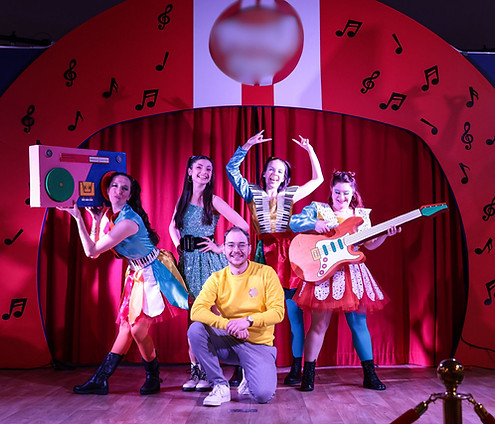
Moving into consulting allowed me to see the industry from a different perspective. I wasn't just operating attractions anymore, I was helping build business plans, position new concepts and support investors as they transformed ideas into sustainable destinations. If I had to highlight one project, it would be TFou Parc. It was France's first indoor theme park built around live entertainment, developed in partnership with TF1. Our team followed the project from construction through to live operations, designing everything from the guest experience and entertainment offering to food and beverage, marketing, recruitment and training. Seeing thousands of families enjoy something that began as a blank page was incredibly rewarding.
That's what I love most about this industry. We don't just build attractions. We build places where people create memories. Whether I'm operating a park, advising a developer or teaching the next generation of industry professionals, my goal remains the same: to help create experiences that people will remember long after they've gone home.
"We don't just build attractions. We build places where people create memories."

07
Shaping the Next Generation of Attractions
If we fast forward ten years, what do you hope the attractions industry has become, and what role would you like to have played in helping shape that future?
If I look ten years ahead, I hope our industry is recognised not only for creating memorable experiences, but also for its ability to adapt. Climate change is no longer a future challenge, it's something we're already facing. This year alone, several major parks across Europe were forced to close because of extreme heat, something that would have been difficult to imagine only a few years ago. Future attractions will need to be designed differently, with more flexible spaces, smarter energy management and experiences that can adapt to changing conditions.
At the same time, I hope we continue to find the right balance between technology and human hospitality. Technology should make operations more seamless and efficient, but it should never replace the personal interactions that make a visit special. I've already seen examples where removing those human touchpoints had a negative impact on the guest experience. People still value genuine connection, and I don't believe that will ever change.
I'd also like to see world-class guest experiences become achievable for attractions of every size. You don't need a billion-dollar investment to create something memorable. Some of the best attractions I've visited have been relatively small, but they've paid extraordinary attention to storytelling, hospitality and the finer details. Better technology and stronger operational practices should help smaller attractions deliver those same high-quality experiences. Personally, I hope I've played a part in helping move the industry in that direction. Whether it's bringing together developers and operators, supporting new attractions or teaching the next generation of professionals, my goal has always been the same: to help create experiences that are more sustainable, more resilient and more focused on the people they serve.
I also hope the leisure industry continues to earn greater recognition as a long-term career. Through stronger education, professional development and clearer career pathways, we can prepare future leaders with the skills our industry needs and encourage more people to see attractions as a profession, not just a job.
"Our success shouldn't be measured by the size of the attraction, but by the quality of what we bring to people and the positive impact we leave behind."
Final Thoughts
The attractions industry is constantly evolving. New technologies emerge, guest expectations shift and operators continue searching for ways to deliver better experiences.
Throughout his career, whether operating attractions, advising developers or educating future industry professionals, the same philosophy has remained consistent, great attractions aren't defined by a single ride, technology platform or impressive investment, they're shaped by the countless decisions that influence how guests feel from the moment they arrive until long after they leave.
For an industry that's often focused on what's next, it's a reminder that innovation and technology are most powerful when they strengthen the experience, not replace it. Because in the end, the attractions people remember aren't necessarily the biggest or the newest, they're the ones that create moments worth talking about long after the visit is over.
Thanks for reading! Want to go deeper? Head to our Learn page for more insights, interviews and industry thinking.